
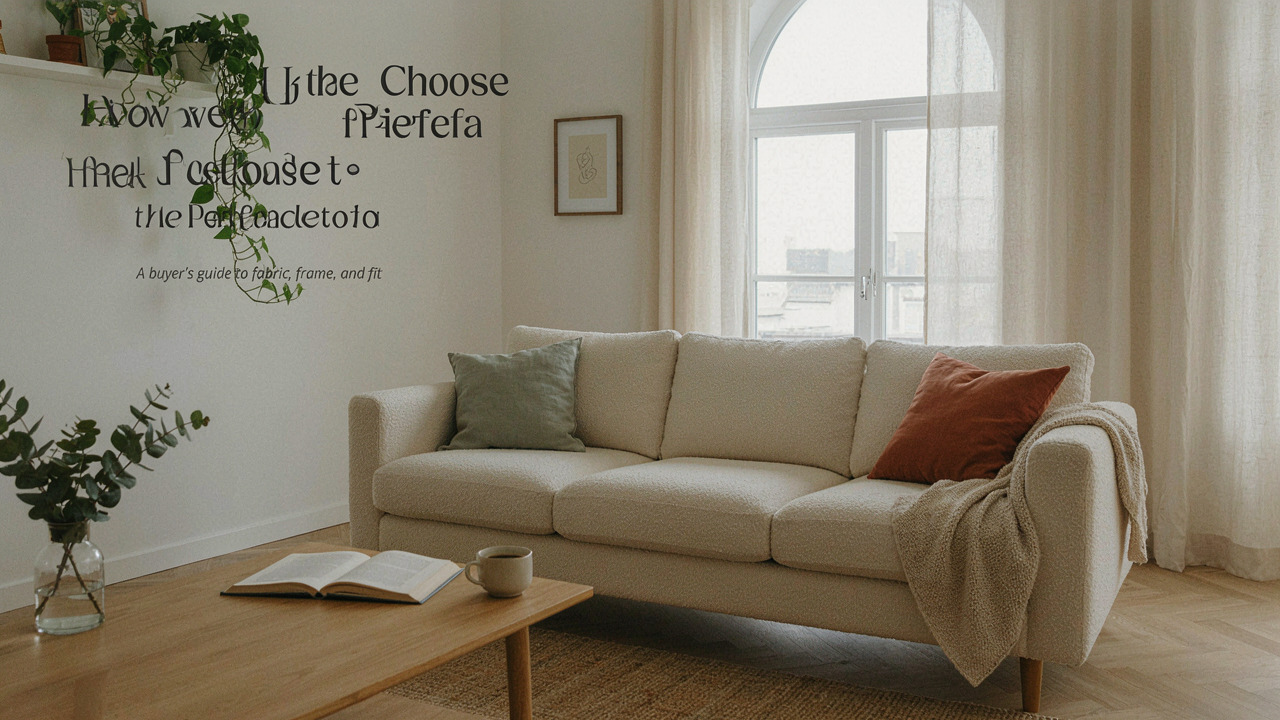
Choosing the perfect sofa is one of the most important decisions when decorating your living room. A sofa is more than just a piece of furniture; it is where family members relax, guests gather, and everyday moments take place. The right sofa can completely transform the appearance of your living space while providing the comfort and functionality you need.
However, finding the right option is not always easy. There are countless sofa styles, sizes, materials, colours, and designs available. Some look beautiful but may not provide enough support, while others offer excellent comfort but do not complement your interior design. Understanding what to look for before purchasing can help you make a more confident decision.
At DrHomey, we believe that choosing furniture should involve balancing comfort, quality, appearance, and practicality. This guide explains how to evaluate different options and find a sofa that suits your home, lifestyle, and budget.
How to Choose Perfect Sofa DrHomey: Start With Your Living Room Space
Before exploring different sofa designs, measure your living room carefully. One of the most common furniture-buying mistakes is selecting a sofa that looks attractive in a showroom but is too large for the available space.
Measure the length and width of the area where you plan to place the sofa. Consider the distance between walls, windows, doors, coffee tables, and other furniture. Remember to leave enough walking space so that people can move around comfortably without constantly navigating around the furniture.
The overall room layout should also influence your choice. A compact two-seater may work perfectly in a small apartment, while a larger family living room might accommodate a three-seater, sectional, or L-shaped sofa.
Think about how the sofa will enter your home as well. Measure doorways, staircases, hallways, and lifts before purchasing. Some large sofas arrive in separate sections, making delivery and installation easier.
Choose the Right Sofa Style for Your Interior Design
Sofas are available in many styles, and the best option depends on the appearance of your home. A contemporary living room may benefit from clean lines and simple upholstery, while a traditional interior might look better with rolled arms, detailed stitching, and classic proportions.
Modern sofas generally feature minimal decoration, straight edges, and neutral colours. They work particularly well in contemporary apartments and open-plan living spaces.
If you prefer a more relaxed appearance, consider a sectional sofa. These designs provide generous seating and can help define different areas within a larger living room. L-shaped sofas are especially useful for family gatherings and entertainment spaces.
Traditional sofas often feature curved arms, decorative details, and more structured silhouettes. They can complement classic interiors, especially when paired with wooden furniture, traditional rugs, and warm lighting.
The important thing is to select a style that complements your existing furniture rather than choosing a design simply because it is currently popular.
Select Comfortable and Durable Sofa Materials
The upholstery material affects both the appearance and everyday performance of a sofa. Before making a purchase, consider how frequently the furniture will be used and how much maintenance you are comfortable with.
Fabric sofas are popular because they offer a wide variety of colours, textures, and patterns. Cotton and linen can create a relaxed, natural appearance, while polyester blends are often selected for their practical everyday properties.
Leather sofas provide a distinctive appearance and can develop an attractive character over time when properly maintained. However, genuine leather and synthetic leather have different characteristics, maintenance requirements, and price points.
Velvet upholstery can introduce texture and elegance into a living room. It is particularly attractive in decorative interiors, although some velvet fabrics require more careful cleaning.
For families with children or pets, consider tightly woven, stain-resistant, and easy-to-clean upholstery. Always check the manufacturer’s cleaning instructions before purchasing.
Understand Sofa Cushion Filling and Seat Support
A sofa can look beautiful but still feel uncomfortable if its cushioning and support are poorly designed. The filling material determines how the seat feels when you sit down and how well it maintains its shape over time.
Foam cushions are widely used because they provide structured support. Higher-density foam generally offers better resistance to flattening, although the overall comfort also depends on the cushion construction and design.
Feather-filled cushions feel soft and relaxed but may require regular plumping to maintain their shape. Some sofas combine foam and fibre or feather layers to balance support and softness.
The seat depth is another important consideration. Deeper seats may be comfortable for lounging, while shallower seats can provide better support for people who prefer sitting upright.
Whenever possible, test a sofa before buying it. Sit in your usual position, check the back support, and make sure your feet can rest comfortably. A sofa should feel supportive rather than forcing you into an uncomfortable position.
Choose a Sofa Colour That Complements Your Home
Colour has a major influence on the overall appearance of a living room. The right sofa colour should work with your wall paint, flooring, curtains, rugs, and decorative accessories.
Neutral colours such as beige, cream, grey, and taupe are versatile choices. They can complement different interior styles and make it easier to update the room using cushions, throws, and artwork.
If you prefer something more expressive, consider olive green, navy blue, terracotta, or muted brown. These shades can introduce personality without making the interior feel overly busy.
Before purchasing, request a fabric sample if available. Check how the colour looks under natural daylight and artificial lighting because upholstery can appear different depending on the surrounding environment.
Consider Your Household’s Lifestyle and Everyday Needs
The perfect sofa should match the way you actually use your living room. A household that regularly entertains guests may need more seating, while someone living in a compact apartment might prioritise a space-saving design.
Families with children should consider durable upholstery, removable cushion covers, and materials that are easier to clean. Pet owners may prefer tightly woven fabrics that are less likely to catch claws or collect excessive hair.
If you frequently relax while watching television, a reclining sofa or sectional design may provide additional comfort. Sofa beds can be useful in smaller homes where an occasional sleeping arrangement is needed for guests.
Storage sofas are another practical option. Some designs include hidden compartments beneath the seating area, providing extra space for blankets, cushions, and other household essentials.
Think about your everyday routine before selecting a design. A sofa should make your living space more convenient rather than introducing unnecessary maintenance or space problems.
Check the Sofa Frame and Construction Quality
The internal frame plays an important role in determining how long a sofa lasts. Although upholstery and cushions are the most visible features, the construction underneath deserves equal attention.
Solid hardwood frames are often valued for their strength and durability. Engineered wood and metal frames can also be suitable, depending on the construction quality and intended use.
Ask about the frame material, joinery, suspension system, and warranty before purchasing. A well-constructed sofa should feel stable and should not produce unusual creaking sounds when someone sits down.
Check the legs and supporting joints as well. They should be properly attached and should support the sofa evenly.
Pay attention to the stitching and finishing around the upholstery. Uneven seams, loose threads, and poorly fitted cushions may indicate lower manufacturing quality.
How to Arrange Your Sofa for a Beautiful Living Room
Once you have selected the right sofa, its placement can make a significant difference to the overall room design.
In many living rooms, positioning the sofa against a wall helps preserve open floor space. However, larger rooms may benefit from placing the sofa away from the wall to create a separate seating zone.
Consider the relationship between the sofa and the coffee table. There should be enough space for people to move comfortably while keeping drinks, books, and everyday essentials within easy reach.
An area rug can help define the seating arrangement. Ideally, the rug should be large enough to connect the main furniture pieces visually.
Layered cushions and throws can add colour and texture. Choose accessories that complement the sofa rather than covering its entire surface.
Lighting is equally important. A floor lamp beside the sofa can create a comfortable reading corner, while a table lamp can provide softer evening illumination.
Common Mistakes to Avoid When Buying a Sofa
Buying a sofa without measuring the room is one of the biggest mistakes homeowners make. Even a beautiful piece can make a living room feel crowded if its proportions are unsuitable.
Another common mistake is choosing appearance over comfort. A sofa may look impressive in photographs but feel uncomfortable after sitting on it for an extended period. Always consider seat depth, back support, cushion filling, and upholstery quality.
Ignoring delivery requirements can also create problems. A large sofa may not fit through narrow hallways or doorways, so check measurements before confirming your order.
Finally, avoid choosing materials without considering maintenance. Some upholstery options require special cleaning, while others are more suitable for busy households.
Taking time to compare designs, materials, warranties, and construction quality can help you avoid unnecessary expenses.
Frequently Asked Questions About Choosing the Perfect Sofa
What is the best sofa colour for a living room?
Beige, grey, cream, and taupe are versatile options because they complement many interior styles. However, the best colour depends on your existing furniture, lighting, and personal preferences.
Which sofa material is best for families?
Durable, tightly woven, and easy-to-clean fabrics are often practical choices for families. Look for upholstery with suitable stain-resistance features.
How long should a good-quality sofa last?
A well-made sofa can last many years, depending on its frame, upholstery, construction, maintenance, and frequency of use.
Is an L-shaped sofa suitable for a small living room?
It can be, provided its dimensions suit the available space. Measure carefully and ensure that it does not block walkways or essential access points.
Should I choose a firm or soft sofa?
This depends on your comfort preferences. Firm cushions generally provide a more structured sitting experience, while softer cushions offer a relaxed feel.
Final Thoughts
Choosing the perfect sofa involves more than selecting an attractive design. You need to consider room measurements, upholstery, cushion support, frame construction, colour, and everyday household requirements.
A good sofa should complement your interior design while providing the comfort and durability needed for regular use. Take your time comparing different options, test the seating whenever possible, and choose a design that works with your lifestyle.
At DrHomeyDesign.com, our goal is to make home decoration and furniture decisions easier through practical information and useful design inspiration. With the right planning, you can find a sofa that makes your living room more comfortable, functional, and welcoming.